


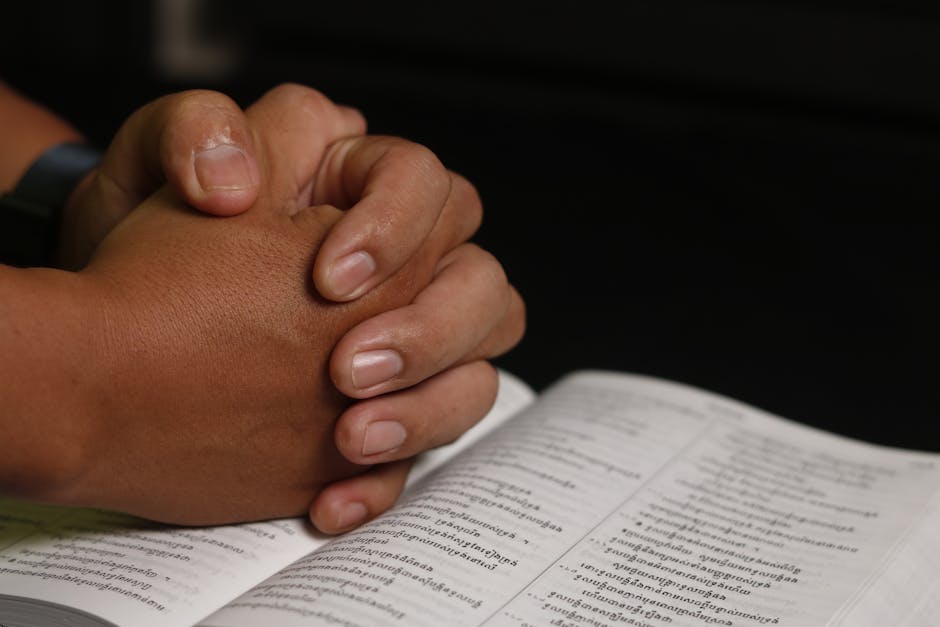
Ever found yourself wondering, just how long is the Muslim prayer? It’s a pretty common question. You see Muslims praying at different times of the day, and it seems like a big commitment.
The truth is, there isn’t one single answer. The time it takes can change a lot. It depends on which of the five daily prayers it is. It also depends on the person doing the praying.
But we can definitely give you a good general idea. We will look at the basics of the five daily prayers. And we’ll figure out the time each one normally takes.
This is all about giving you a simple, straightforward look at the time commitment involved in a Muslim’s daily worship in 2025. It’s not as long as you might think, but it is regular.
The Five Daily Prayers: A Quick Schedule
First up you need to know that Muslims pray five times a day. These prayers are spread out from before sunrise until late at night. They are a core part of the faith.
Each prayer has a specific name and a window of time when it must be performed. The timings shift daily with the sun’s position.
Here are the five prayers:
Fajr: The prayer before dawn.
Dhuhr: The prayer at midday.
Asr: The prayer in the late afternoon.
Maghrib: The prayer just after sunset.
Isha: The prayer at night.
The whole system is designed to keep a person mindful of God throughout their entire day, from waking to sleeping.
So, How Long Does Each Prayer Actually Take?
Alright let’s get into the main point. The length of a prayer is mostly about how many “units” or rak’ah it has. A unit is a sequence of standing, bowing, and prostrating.
Each unit takes maybe a minute or two to complete. So the more units a prayer has the longer it will take to finish. It’s a simple calculation really.
Fajr (The Dawn Prayer)
The Fajr prayer is the shortest of the five obligatory prayers. It is considered to be a very peaceful time to pray.
It has only two units. This means it’s super quick. A person can typically complete the Fajr prayer in about 3 to 5 minutes. It’s a quiet start to the day.
Dhuhr (The Midday Prayer)
Dhuhr is the prayer that happens after the sun has passed its highest point. It’s a break in the middle of a busy day.
This prayer has four units. So naturally it takes a bit longer than Fajr. You’re looking at around 7 to 10 minutes for this one, normally.
Asr (The Afternoon Prayer)
Asr takes place later in the afternoon. It is the third prayer of the day.
Like Dhuhr, the Asr prayer is also made up of four units. So the timing is pretty much the same. Generally about 7 to 10 minutes is a good estimate for how long it takes.
Maghrib (The Sunset Prayer)
This prayer has a very specific and short window. It happens right after the sun sets and it’s a bit shorter.
The Maghrib prayer has three units. This makes it slightly quicker than the midday prayers. It usually takes a person around 5 to 7 minutes to complete.
Isha (The Night Prayer)
Isha is the final prayer of the day. It’s performed when the sky is completely dark.
This prayer, it is a return to the longer format. It has four units. So, like Dhuhr and Asr, the Isha prayer will normally take about 7 to 10 minutes.
What Makes the Prayer Time Longer or Shorter?
The times I gave above are just averages. The actual duration can be different for a lot of reasons. Several things can change the length of someone’s prayer.
It is these things that make the experience personal. Not everyone prays at the exact same speed and that is perfectly okay.
Here are a few things that affect the time:
Recitation Length: During the prayer, Muslims recite chapters from the Quran. Choosing to recite longer chapters will, of course, make the prayer longer. Shorter chapters make it quicker.
Personal Pace: Some people move through the physical motions of prayer slowly and deliberately. Others have a quicker, more practiced pace. There isn’t a wrong way as long as it’s done correctly.
Optional Prayers (Sunnah): Many Muslims choose to perform extra, optional prayers before or after the main ones. These can add another 5 to 15 minutes to the total time spent in worship.
Dua (Personal Supplication): After finishing the formal prayer, many people spend a few minutes making personal prayers or supplications, called Dua. This is just talking to God about your personal needs.
So, when you see someone praying for 20 minutes, it’s likely they are including optional prayers and a personal supplication session.
Special Prayers and Their Timings
Besides the five daily prayers, there are some other important prayers in Islam. Their length can be quite different.
The Friday prayer, or Jumu’ah, is a big one. It replaces the Dhuhr prayer for men on Fridays. It includes a sermon from the Imam.
The whole service, including the sermon and the two-unit prayer, can last anywhere from 30 to 60 minutes. It’s a community event.
Then there are the Eid prayers. These happen twice a year. Once for Eid al-Fitr and once for Eid al-Adha.
These are also community prayers. They are held in the morning and they also include a sermon. The event normally takes around 30 to 45 minutes from start to finish.
—
Frequently Asked Questions (FAQs)
1. How long is the Muslim prayer in total per day?
If you just count the five main prayers, it’s around 30 to 45 minutes total, spread across the day. If someone adds optional prayers, it could be an hour or more.
2. What is the shortest Muslim prayer?
The shortest required prayer is Fajr, the dawn prayer. It has two units and can be done in about 3-5 minutes. Maghrib, with three units, is also quite short.
3. Can I make my prayers shorter if I’m busy?
You can’t shorten the required units. But you can be efficient by sticking to shorter Quran chapters. You could also choose to skip the optional prayers if you are very pressed for time.
4. Does praying in a mosque take longer?
Typically, yes. When praying in a congregation led by an Imam, the pace is set for you. The Imam might recite longer chapters. Plus, people often perform optional prayers, so the total time at the mosque is usually longer than praying alone at home.
5. Why are the prayer times different every day?
The prayer times are based on the position of the sun. Since the times of sunrise, high noon, and sunset change every day throughout the year, the prayer times change right along with them.
—
Key Takeaways
The five daily Muslim prayers (Salah) are short individually.
Most prayers take between 5 and 10 minutes each.
The total time for all five required prayers is about 30-45 minutes a day.
The length can change based on the person’s pace, what they recite, and if they add optional prayers.
Special prayers like the Friday Jumu’ah prayer are longer, usually lasting 30-60 minutes because of the sermon.
The commitment is more about consistency throughout the day than about spending a long time in prayer at any single moment.